Archive for the ‘FAQ’ Category

Exchange Links for Real Estate

Wednesday, November 14th, 2007

LinksToRealEstate.com can improve your business by:

  • getting highly targeted visitors to your web site
  • getting more customers and more sales
  • getting increased benefit from new business contacts
  • getting a higher ranking on search engines for your web site
  • getting higher link popularity
  • LinksToRealEstate.com

What you Should Know About Using Paint Strippers

Tuesday, November 6th, 2007

IF NOT PROPERLY USED, PAINT STRIPPERS ARE HAZARDOUS TO YOUR HEALTH AND SAFETY.

Paint strippers contain chemicals that loosen paint from surfaces. These chemicals can harm you if not used properly. Some paint stripping chemicals can irritate the skin and eyes or cause headaches, drowsiness, nausea, dizziness, or loss of coordination. Some may cause cancer, reproductive problems, or damage of the liver, kidney, or brain. Others catch fire easily. Proper handling and use of paint strippers will reduce your exposure to these chemicals and lessen your health risk.

General Safety Precautions
Paint strippers contain different chemicals, and the potential hazards are different for various products. Each product has specific safety precautions (see the section below on paint stripper types). However, there are some general safety steps to keep in mind when using any paint stripper. If you use paint strippers frequently, it is particularly important that you follow these steps:

1. Always read and follow all the instructions and safety precautions on the label. Do not assume you already know how to use the product. The hazards may be different from one product to another, and the ingredients in individual products often change over time. The label tells you what actions you should take to reduce hazards and the first aid measures to use.

2. Wear chemical-resistant gloves appropriate to the type of stripper being used (see manufacturer’s instructions). Common kitchen latex gloves do not provide enough protection.

3. Avoid getting the paint stripper on your skin or in your eyes. Wear protective clothing and goggles appropriate for the project and type of stripper.

4. Use paint strippers outdoors if possible. If you must use them indoors, cross-ventilate by opening all doors and windows. Make sure there is fresh air movement throughout the room. Ventilate the area before, during, and after applying and stripping. Never use any paint stripper in a poorly ventilated area. If work must be done indoors under low ventilation conditions, consider having the work done professionally instead of attempting it yourself.

5. If you must work indoors, always work so the stripper fumes are blowing away from you and to the outside. A fan can be used to improve cross-ventilation and to ensure fresh air movement. A fan is particularly important for nonflammable products that evaporate quickly, such as methylene chloride. Electrical sparks from fans may increase the chance of flammable paint stripper’s fumes to catch fire.

6. Do not use flammable paint strippers near any source of sparks, flame, or high heat. Do not work near gas stoves, kerosene heaters, gas or electric water heaters, gas or electric clothes dryers, gas or electric furnaces, gas or electric space heaters, sanders, buffers, or other electric hand tools. Open flames, cigarettes, matches, lighters, pilot lights, or electric sparks can cause the chemicals in the paint strippers to suddenly catch fire.

7. Only strip paint with chemicals that are marketed as paint strippers. Never use gasoline, lighter fluid, or kerosene to strip paint.

8. Dispose of paint strippers according to the instructions on the label. If you have any questions, ask your local environmental sanitation department about proper disposal.

TYPES OF PAINT STRIPPERS

Solvent-based strippers
Most paint strippers are solvent-based. Solvents dissolve the bond between wood and paint. Solvents also can dissolve other materials, including the latex or rubber of common household or dish washing gloves. Some solvents will irritate or burn the skin. Some solvents may cause serious health effects even if contact does not immediately cause pain. In addition, many solvents evaporate quickly and you can easily inhale them. Inhalation of these solvents can produce health effects immediately or years after exposure.

It is especially important to use paint strippers containing solvents that evaporate quickly either outdoors or in an indoor area with strong fresh air movement. Some paint strippers contain solvents that do not evaporate quickly. When using these strippers indoors, be sure to open windows and doors to provide fresh air movement in and out of the work site. You should always follow the manufacturer’s instructions and safety precautions. Use the amount of stripper recommended by the manufacturer to avoid buildup of harmful fumes.

The different types of solvent-based paint strippers and their potential hazards and safety precautions are:

== Methylene chloride (also called dichloromethane, or DCM) –
Methylene chloride is the most commonly used chemical in paint strippers. Methylene chloride products come in two varieties. One type is nonflammable, while the other type is flammable. The flammable paint strippers have less methylene chloride but have other flammable chemicals, including acetone, toluene, or methanol.

Methylene chloride causes cancer in laboratory animals. The U.S. Environmental Protection Agency (EPA) and the U.S. Consumer Product Safety Commission (CPSC) consider the chemical to be a potential cause of cancer in humans. Methylene chloride evaporates quickly, and you can inhale it easily. Breathing high levels of methylene chloride over short periods can irritate the eyes, skin, nose, and lungs. It can also cause dizziness, headache, and lack of coordination. Your body changes some inhaled methylene chloride to carbon monoxide. Carbon monoxide lowers the blood’s ability to carry oxygen. This can cause problems for people with heart, lung, or blood diseases who use methylene chloride paint strippers indoors without fresh air cross-ventilation. High exposures to methylene chloride for long periods can also cause liver and kidney damage.

* It is very important to reduce your exposure to methylene chloride vapors.
* It is very important to have a lot of fresh air when using methylene chloride products.
* Use methylene chloride paint strippers outdoors if possible. If you must use them indoors, open all doors and windows to ensure that the fresh air is moving in and out of the room.
* For indoor use of nonflammable methylene chloride strippers, also use a fan to keep fresh air moving throughout the work area. Electrical sparks from fans may increase the chance of flammable paint strippers fumes to catch fire.
* The safest place to use flammable methylene chloride strippers is outdoors away from any source of sparks, flame, or high heat.

== Acetone, toluene, and methanol –
These chemicals are commonly used together. All three chemicals evaporate quickly and are very flammable. Breathing high levels of these chemicals can cause a variety of effects, including drowsiness, dizziness, and headache. Breathing high levels of toluene may harm unborn children. Breathing very high levels for a long period may cause brain damage. Toluene and methanol are poisonous if swallowed.

To avoid fire and health problems, it is very important to use products containing these chemicals only in areas with plenty of fresh air.

Do not work near an open flame, pilot lights, or electrical sparks when using flammable paint strippers. Do not use strippers near gas stoves, kerosene heaters, gas or electric water heaters, gas or electric clothes dryers, gas or electric furnaces, gas or electric space heaters, sanders, buffers, or other electric hand tools.

== N-methylpyrrolidone (NMP) –
Excessive contact with NMP may cause skin swelling, blistering, and burns. These skin reactions may not appear until some time after exposure. N-methylpyrrolidone can readily get into the body through the skin and may cause health problems. NMP may cause reproductive problems and harm to unborn children.

* It is very important to wear chemical-resistant gloves and avoid skin contact when using this solvent.
* Wash hands immediately after use, even when wearing gloves.
* Gloves should fit properly and be chemical-resistant. Common kitchen latex gloves do not provide enough protection.
* Avoid using this product for extended periods in an enclosed area without open doors or windows to the outside for cross-ventilation.

== Dibasic esters (DBE), including dimethyl adipate ester, dimethyl succinate ester, and dimethyl glutarate ester –
Much less is known about the possible health effects of these chemicals than about most of the other paint stripping chemicals. Some people using DBE products without fresh air have reported temporary blurred vision. Repeatedly breathing DBE damages the cells lining the nose of laboratory animals. Some strippers include a mixture of DBE products and NMP.

* Avoid using this product for extended periods in an enclosed area without open doors or windows to the outside for cross-ventilation.
* Use appropriate protective clothing and provide fresh air to the work site when using these products.

CAUSTIC-BASED STRPPERS (NOT FLAMMABLE)

== Caustic alkalis –
Caustic alkalis react with the paint coating and loosen it from the surface. One of the chemicals in this type of stripper is sodium hydroxide (lye). Some people do not use caustic alkalis because caustic products can darken wood and raise the grain. Caustics can cause severe burns to skin and eyes even on short contact. Therefore, be very careful to keep caustic chemicals away from skin and eyes and wear protective clothing. If contact occurs, wash off immediately with cold water. Caustics are also highly toxic if swallowed.

* It is very important to avoid skin and eye contact when using caustic alkalis.
* Use gloves that fit properly and are appropriate for caustic alkalis.
* Wear appropriate protective clothing and goggles when using caustic alkalis.

OTHER TYPES OF PAINT STRIPPERS

Some paint strippers have a citrus smell or make “environmentally friendly” claims. However, these paint strippers may be hazardous despite the smell and environmental claims.

It is important to use appropriate protective clothing and fresh air for cross-ventilation when using these products.

Copyright © 2005-2006 HouseColour.com, TREG.com.

Making Your Home Comfortable

Wednesday, October 24th, 2007

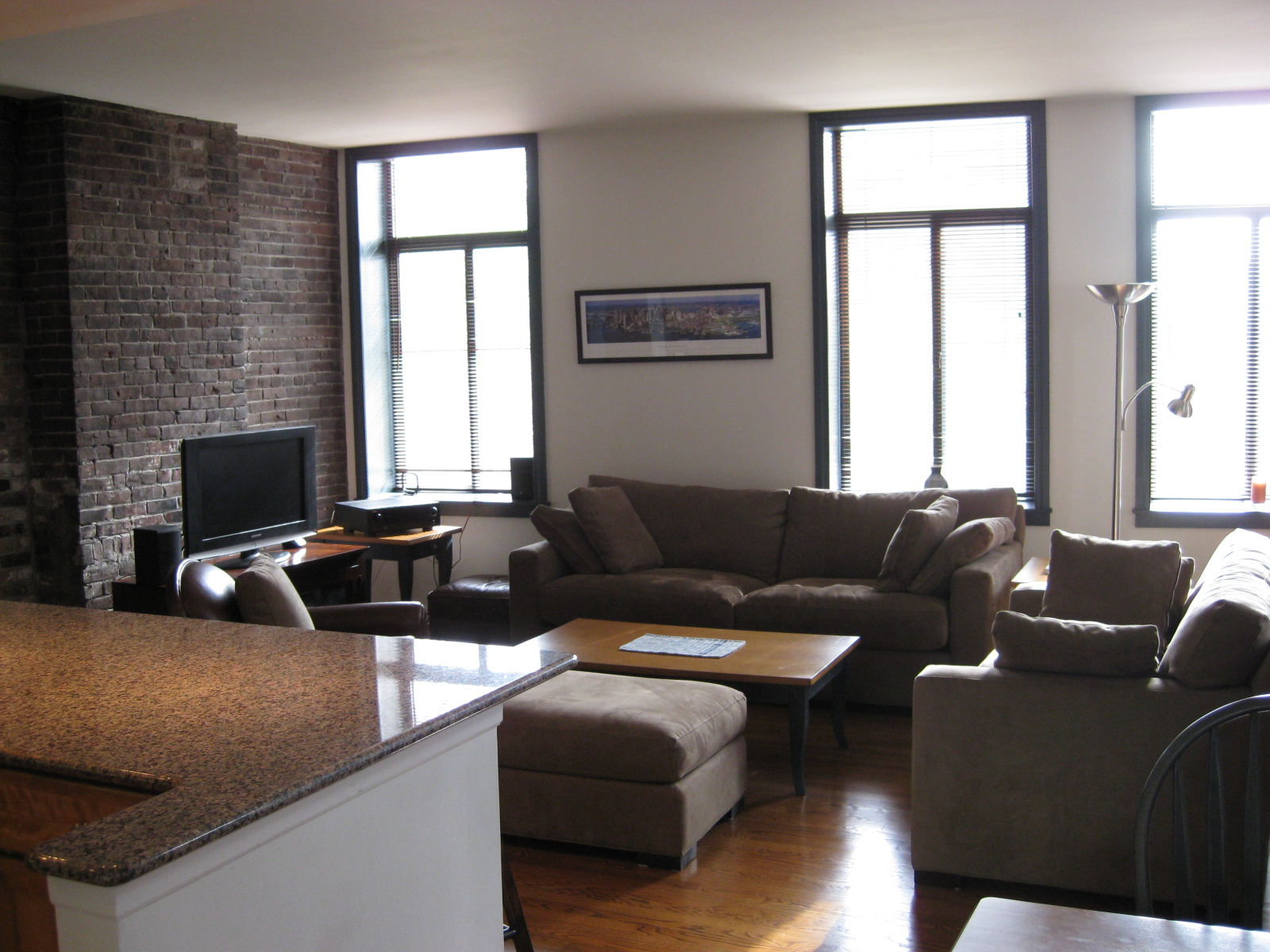
You drag your tired feet up the stairs and tug your earphones out; you switch your iPod off and check your voicemail as you unlock your door. It’s the end of another day and all you want to do is to put your feet up and forget about everything else.

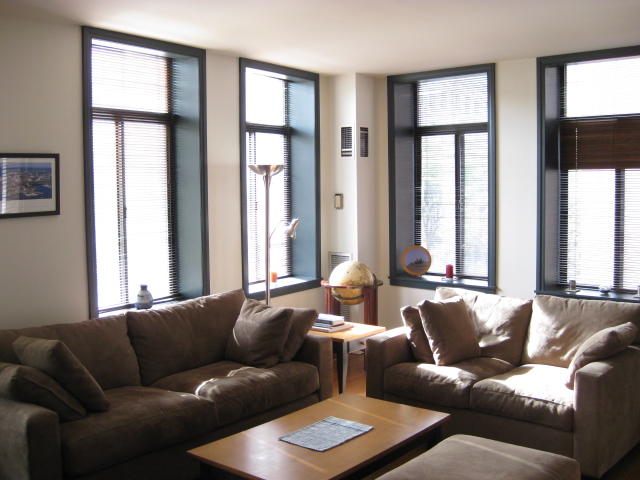
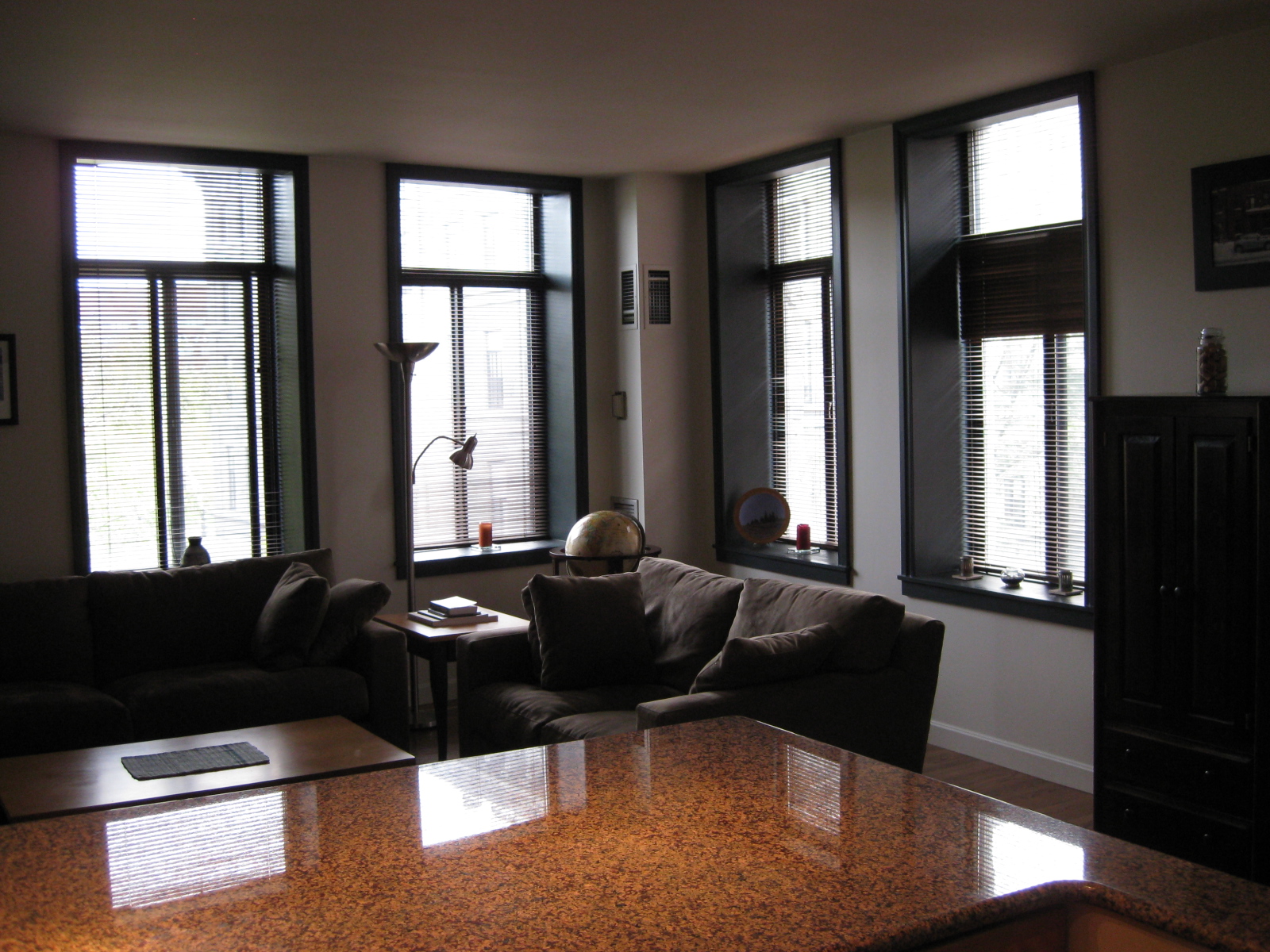
Whether you like to collapse into a bed with hundreds of pillows, love the scent of freshly baked cookies or need a foot rub when you finish your day, the best feeling is the world is often the feeling of just being “home”. Sometimes, creating this feeling is a little tough when you’re living in an apartment. Perhaps your apartment carries the spirit of too many others who have lived there before you, or perhaps you haven’t been there long enough to feel “homey”. Well, fear not, here’s some ideas to get on the fast track to creating a more homey feeling.

Arrangement

One of the core teachings of Feng Shui, the ancient Chinese art of placement, is de-cluttering. Don’t bring endless boxes into your new place and stack them up everywhere. Move in only what you need, unpack it, put it in its place and put the rest into storage. Feng Shui principles state that rooms should be arranged in a complete square or rectangle. This balance in a room can translate to the one living in it, creating harmony and stability. Feng Shui teaches that in order to have a positive life experience, Chi (life-force, energy) needs to be able to flow freely. To ensure this happens, don’t place furniture directly against the walls and never make a television or other electronic device the focal point of a room. Ideally, you would have three places to sit inside a room with a welcoming piece in the middle, like a coffee table, that forms a full circle. Televisions and other objects should sit outside the circle in the larger “square” of the room.

Create a sense of harmony by only including items in your apartment that have meaning to you. Flowers may symbolize your connection to nature; a set of doves may represent love. As you decide where to put each object in the room think about its meaning and why you chose to put it there. Now your apartment is not filled with “junk” but with the things that are important to you.

Touches of Comfort

Now that your rooms are in order, add colors and fabrics that will make your environment pleasing to all your senses. Don’t paint your apartment with bright colors in an effort to make it more cheery. Instead, have a neutral base on the walls and in your furniture and add rugs, cushions and wall décor in colors that you like. If you appreciate change, choose colors that are fitting to the season and change them throughout the year. Don’t worry about impressing guests or creating a certain “look” when buying décor. Follow your gut and choose what you like. To illuminate your décor, aim for indirect light sources (keep light bulbs hidden) in every room. Overhead lights can sometimes be too jarring.

Finding the Perfect Apartment

Monday, October 22nd, 2007

Finding the perfect apartment can seem like an impossibility, but in reality, it just takes time and dedication. If you’re like so many people in the thick of the housing search, see some of the tips we have for you to help this process be as pain free as possible.

* If you don’t have the time to do this kind of a search by yourself, sign up with a local rental company who specializes in finding the apartment that meets your criteria for you. They will alert you when apartments become available so you don’t have to constantly be on the look out

* If you want to see anything and everything constantly check sites like Craig’s List or read your local want ads for new rental availabilities.

* Since most people use their weekends to drive around and look for For Rent signs, be the early bird that catches the worm and take a spin around your ideal neighborhood before or after work during the week to look for available apartments

* Make as many phone calls and make as many appointments as you can. Oftentimes landlords and property managers are not able to convey the right message about the apartment in the space allotted so it’s important to see the apartments with your own eyes

* Figure out what’s important to you in an apartment. Is it having a laundry room, a walk in closet, a bathtub, a dishwasher, a disposal, having a parking spot, a view, or is the location the most important thing you are looking for? Oftentimes, an apartment won’t have everything, so prioritize your needs

Finding the perfect apartment can be close to impossible, but finding the almost perfect apartment can be done so keep your expectations reasonable. We hope these tips are helpful if you are currently looking for a new roof over your head and for more info go to BostonForRENT.com

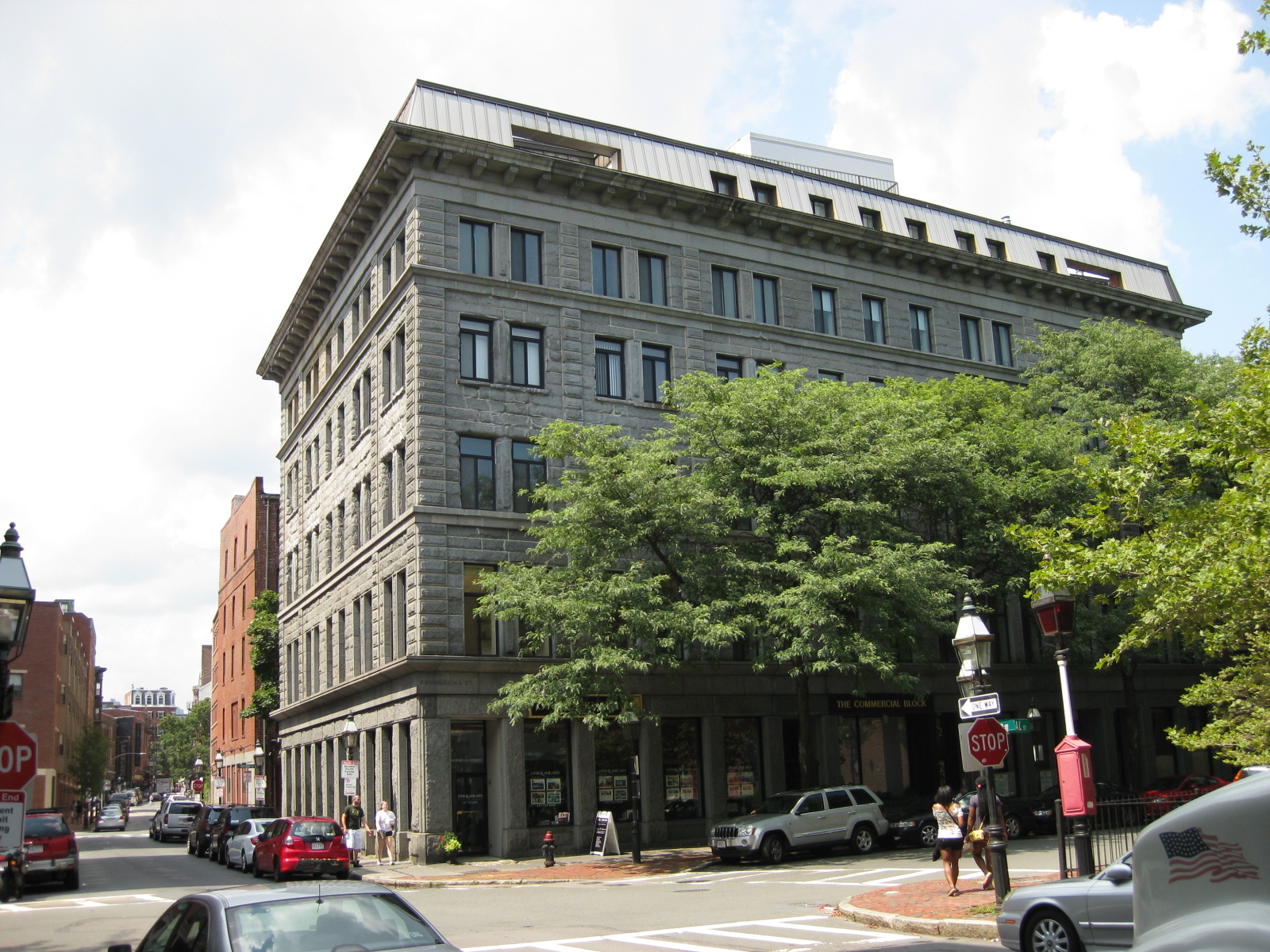
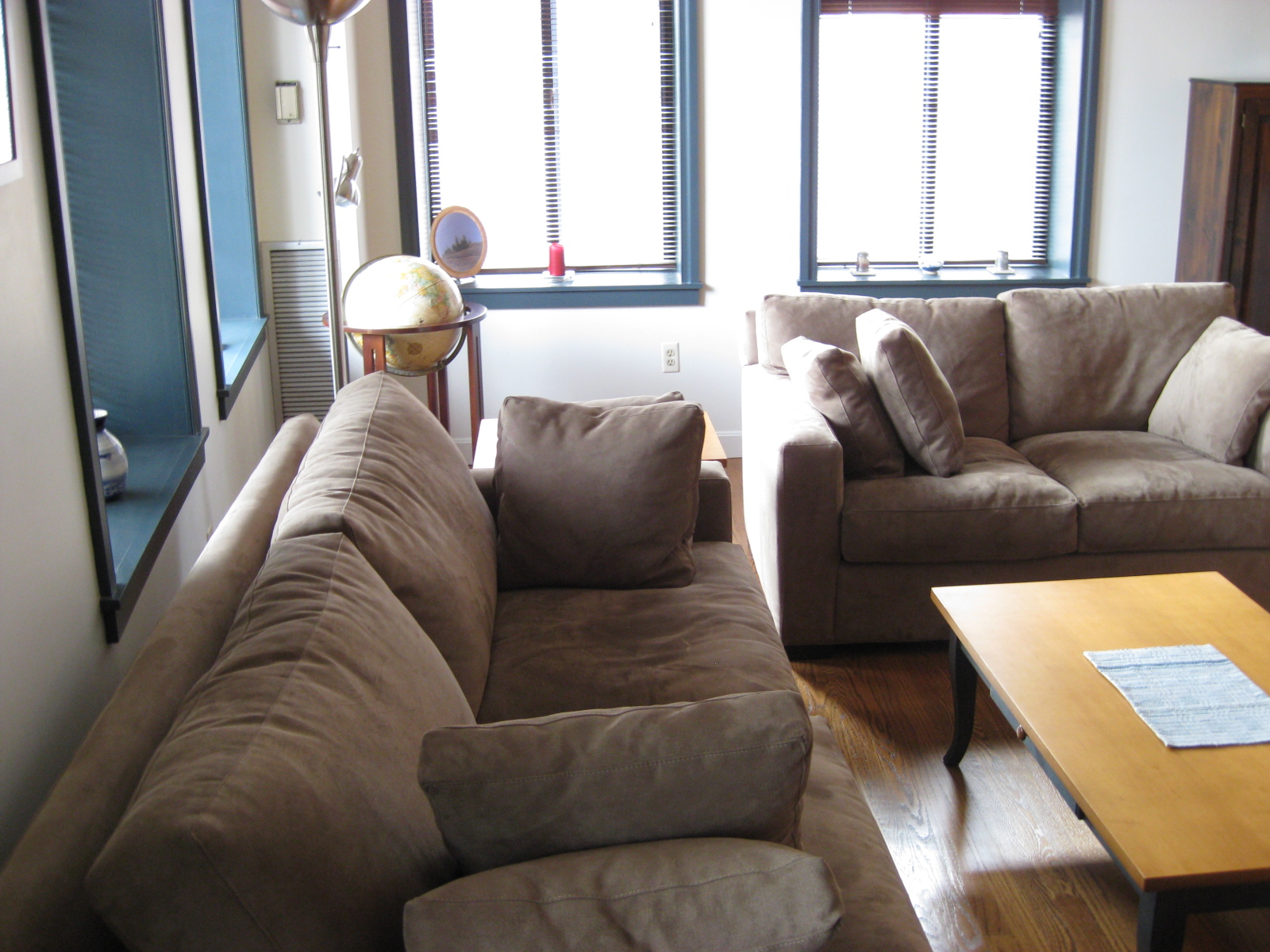
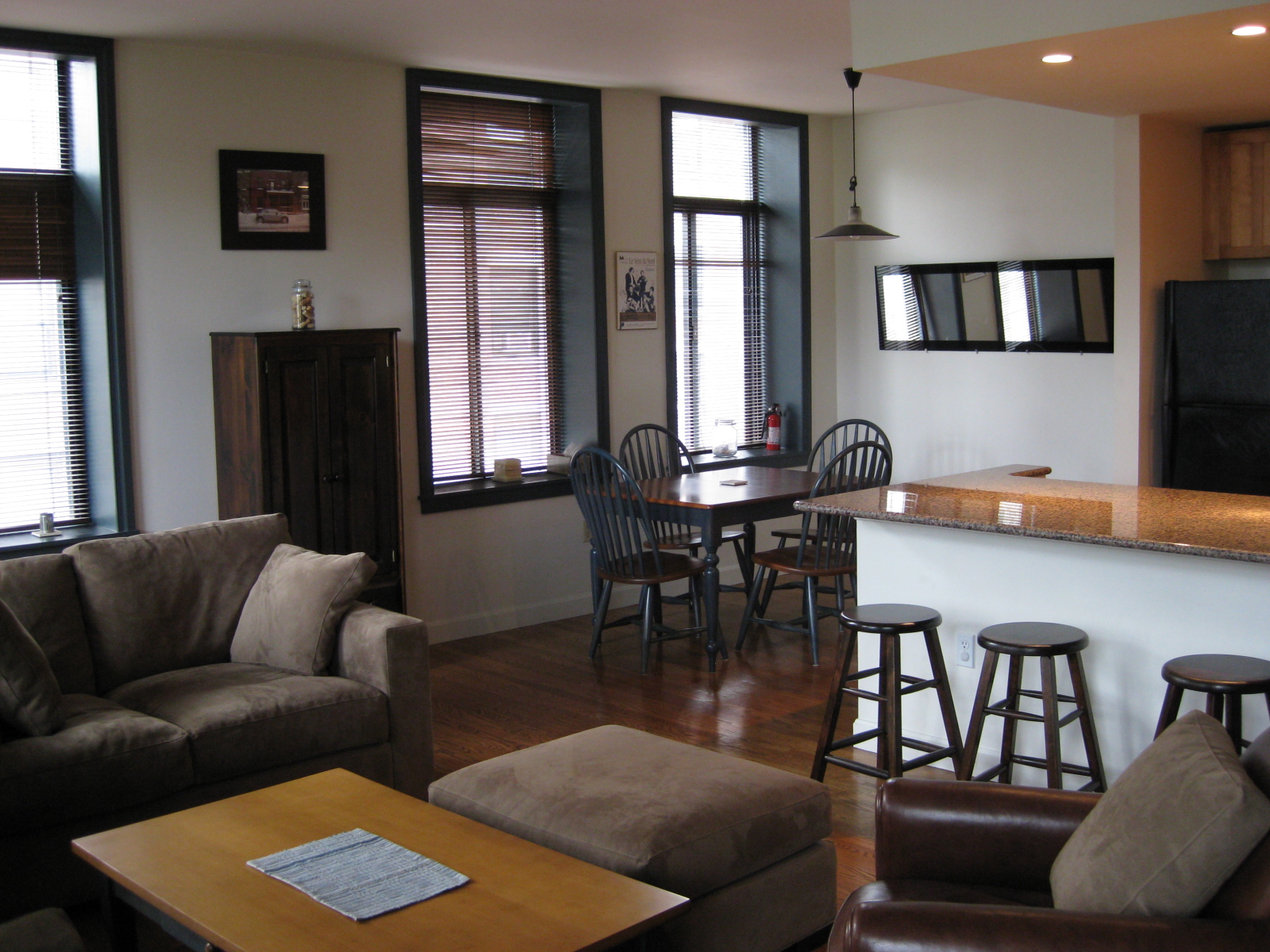
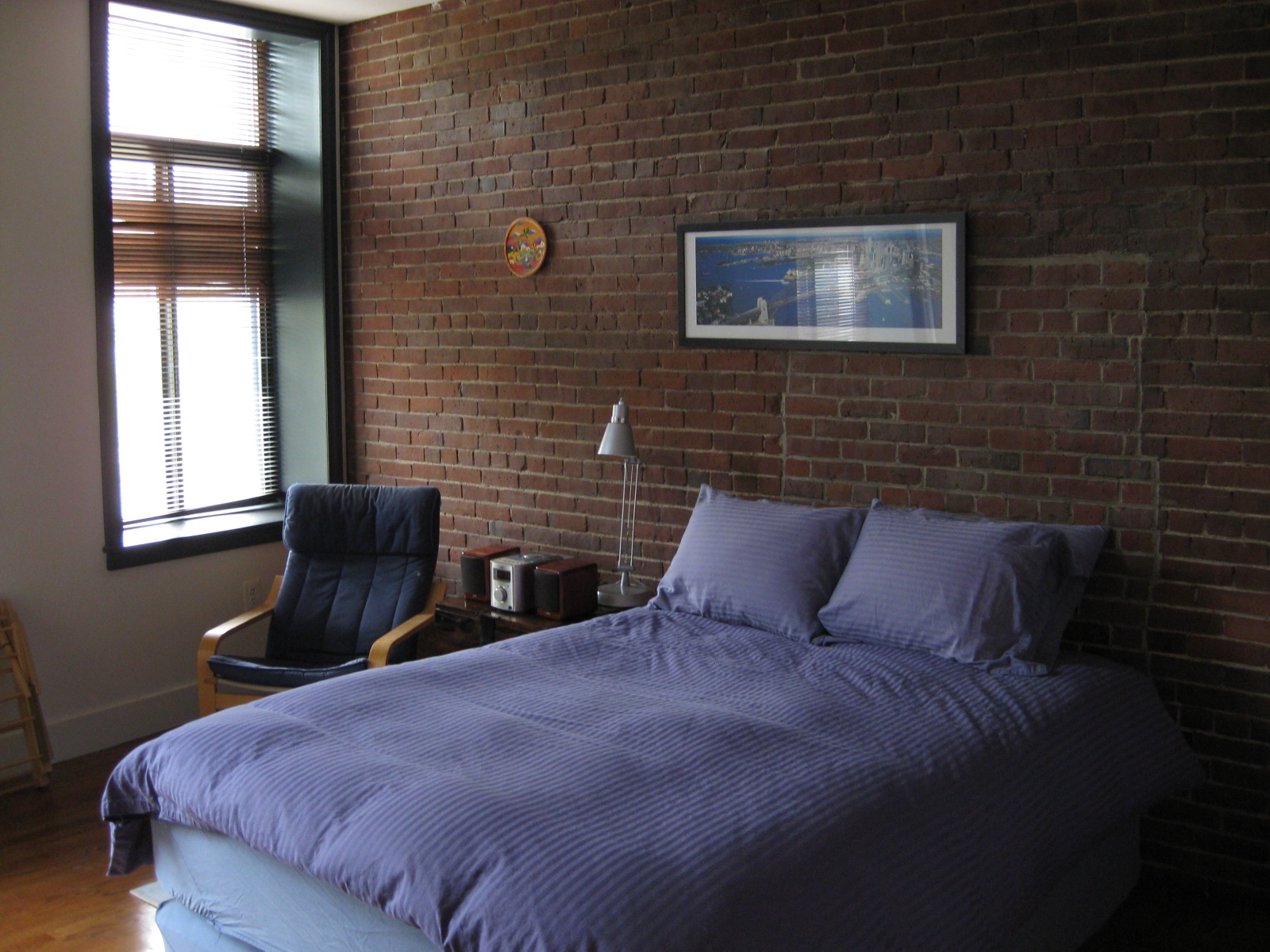
NorthEndPad.com

Monday, October 22nd, 2007

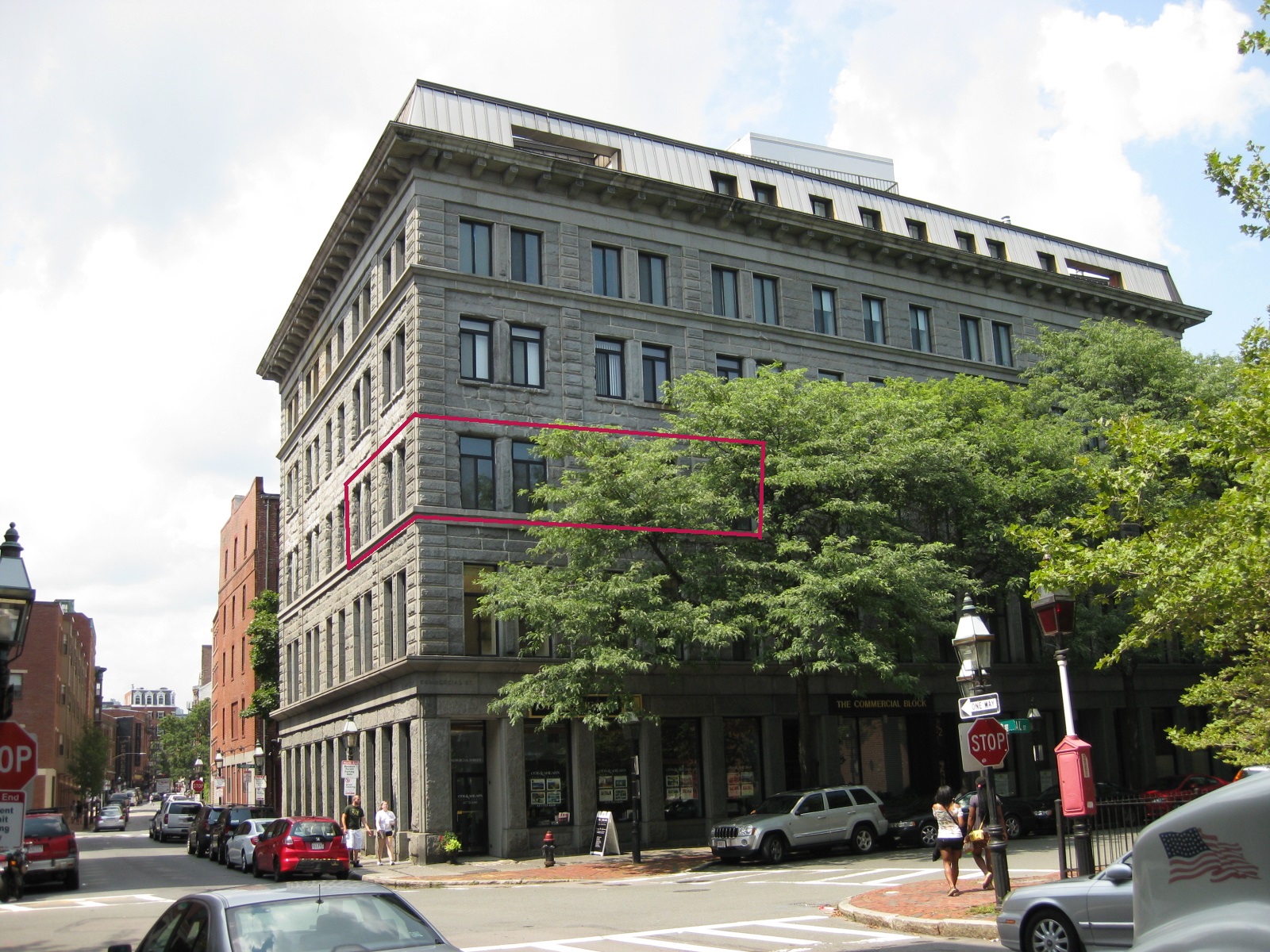
Boston’s North End is the city’s oldest residential community, where people have lived continuously since it was settled in the 1630s. It has been home to a number of immigrant populations. Before the waves of immigrants began to arrive, however, the North End was home to some of Boston’s wealthiest residents and later to the first community of black people created by freed and escaped slaves. In the early 19th century, the Irish began to migrate to the North End in huge numbers and dominated the neighborhood until approximately 1900. The North End then became one of the centers of Jewish life in Boston; Hebrew inscriptions can still be found on several buildings. In the early 20th century, it became the center of the Italian community of Boston. Today, it is still largely residential and well-known for its small, authentic Italian restaurants.

Although the North End is part of Boston’s original area of settlement, the bulk of the architecture one sees there today dates from the late nineteenth to early 20th centuries (tenement architecture is especially prominent). The neighborhood has a mixture of architecture from all periods of American history, including early structures such as the Old North Church (1723), the Paul Revere House (1680), the Pierce-Hichborn House (1711), and the Clough House (1712). The Copp’s Hill burial ground (1660) is one of America’s oldest cemeteries and contains many graves dating back to the 17th, 18th, and early 19th centuries including Puritan divines Cotton and Increase Mather and Prince Hall, founder of Prince Hall Freemasonry.

The Freedom Trail passes through the North End, making official stops at Paul Revere’s house and Old North church.

On January 15, 1919, the North End was the site of the Boston Molasses Disaster.

The construction of the elevated Central Artery (Interstate 93) in the 1950s divided the North End from the rest of Boston. With the completion of the Big Dig, the old elevated highway has been completely removed and the North End is finally being re-joined with the rest of the city.

The North End is famous for its selection of bakeries, eateries and Old-world feeling. In this ⅓ mi²-sized neighborhood, there are approximately 100 eating establishments.